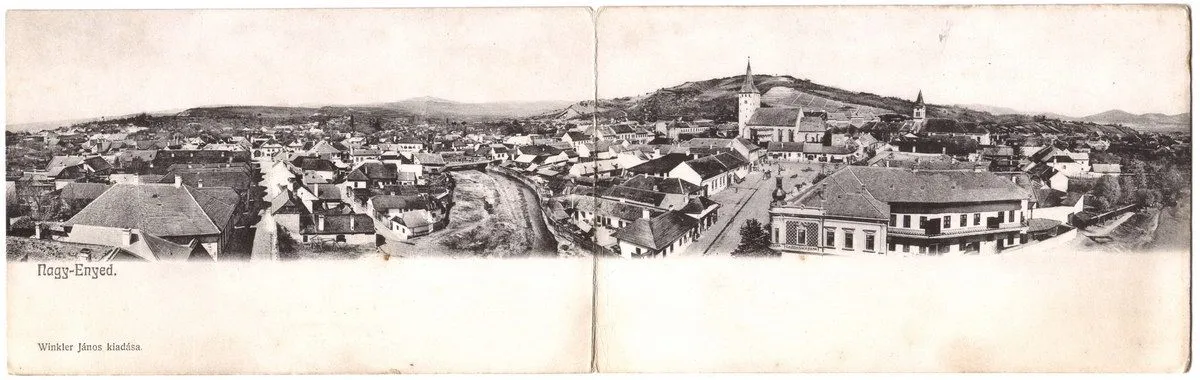
The Apuseni Mountains
The Apuseni Mountains are a mountain group in the north of the Western Carpathians, bordered by the Someș Plateau to the N, the Transylvanian Plateau to the E, the Mureș corridor to the S and the Crișana Hills and the Western Plain to the W.
They are fold mountains formed in the Alpine-Carpathian-Himalayan orogeny and are made up of crystalline schists, granites, limestones, volcanic tuffs, conglomerates, sandstones, etc.
They are low in altitude, below 1,900 m, covered with deciduous and coniferous forests (fir, spruce), and hold important deposits of gold- and silver-bearing ores, bauxite, complex sulphides and coal.
Subdivisions
| Group | Mountains | Peak | Altitude (m) |
|---|---|---|---|
| Munții Crișului (Criș Mountains) | Munții Pădurea Craiului | Vârful Măgura Beiușele | 1004 |
| Munții Codru-Moma | Vârful Pleșu | 1112 | |
| Munții Șes-Meseșului | Munții Meseșului | Vârful Măgura Priei | 996 |
| Munții Plopiș | Vârful Măgura Mare | 918 | |
| Munții Șimleu | Vârful Măgura Șimleului | 597 | |
| Masivul Bihor (Bihor Massif) | Munții Bihorului | Vârful Cucurbăta Mare | 1849 |
| Munții Vlădeasa | Vârful Vlădeasa | 1836 | |
| Muntele Mare | Vârful Muntele Mare | 1826 | |
| Munții Gilăului | Vârful Chicera Comării | 1475 | |
| Muntele Găina | Vârful Găina | 1486 | |
| Munții Mureșului (Mureș Mountains) | Munții Zarandului | Vârful Drocea | 835 |
| Munții Metaliferi | Vârful Poienița | 1437 | |
| Munții Trascăului | Vârful Dâmbău | 1369 |
Tourist attractions
The Apuseni Mountains are also an important tourist area of Transylvania, with caves, gorges, defiles, climatic and holiday resorts, and mountain huts.
Huda lui Papară Cave
The Maidens' Fair on Mount Găina
Bibliography
- Enciclopedia Geografică a României, Dan Ghinea, Editura Enciclopedică, București, 2002
- www.wikipedia.org
Geography of Transylvania
- The Mureș River
- The Trascău Mountains
- The Metaliferi Mountains
- The Zarand Mountains
- Mount Găina
- Lakes of Transylvania
- Caves of Transylvania
- The Gilău Mountains
- Muntele Mare
- The Vlădeasa Mountains
- The Bihor Mountains
- The Șimleu Mountains
- The Plopiș Mountains
- The Meseș Mountains
- The Codru-Moma Mountains
- Pădurea Craiului Mountains
- The Olt River
0 comments